Introduction: Embarking on the Yala Peak Adventure Climbing
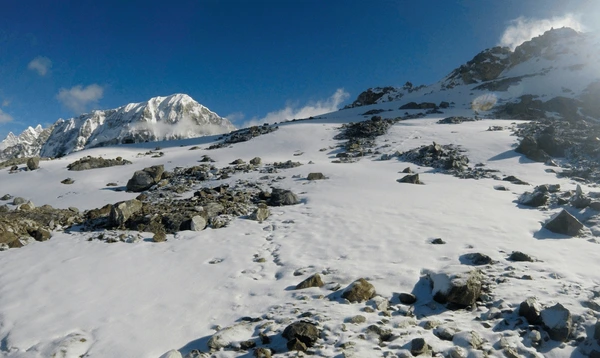
Tucked away in the heart of the Langtang region, Yala Peak is every adventurer’s dream come true. Towering at over 18,000 feet above sea level, this mountain stands as a beacon for trekkers alike, offering a climb that is as rewarding as it is picturesque.
Best of all, you don’t need to be an experienced trekker to embark on a Yala Peak climbing expedition since the mountain is accessible to all levels. The Yala Peak trek is the shortest in Nepal, and its slow pace helps you acclimatize to high altitude gradually.only is the Yala Peak trek the shortest in Nepal, but the slow, steady pace allows you to acclimatize to the high altitude gradually.
The route takes you through Langtang Valley, a historic area that houses the Sherpa and Tamang communities. The Yala Peak trek is perfect for exploring diverse landscapes, culture, and renowned Nepalese hospitality.
So, are you ready for a Yala Peak climbing adventure? Then, let’s check out everything you need to know for an amazing experience!
Yala Peak: A Trekking and Climbing Gem in the Langtang Region

Where Is Yala Peak?
Yala Peak climbing expeditions are quite popular – and for good reason.
Situated in the Langtang Valley, this mountain embodies natural beauty, cultural reverence, and personal triumph for budding trekkers venturing into mountaineering.
One of the most sought-after trekking peaks in Asia, Yala Peak Nepal is filled with culture and history. A Yala Peak climbing experience also showcases the stark contrast in the Langtang village before and after the disastrous earthquake of 2015 – perfect for trekkers who want to learn more about the local history.
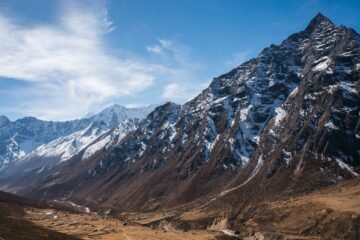
Part of the majestic Himalayas, Yala Peak Langtang lies near the Tibetan border.
Yala Peak Climbing Highlights
There’s no denying that a Yala Peak climbing expedition is an absolute feast for the senses: Reaching the Yala Peak summit rewards you with spectacular views of Shishapangma, one of Tibet’s tallest giants. In addition, you’ll be treated to stunning views of Dorje Lapka and Langtang Lirung,
The mountain’s popularity also stems from its surprisingly easy climb. Unlike its more challenging Himalayan cousins, Yala Peak in Langtang offers a non-technical ascent, making it perfect for those seeking high-altitude success without the tough climb. The climb to the Yala Peak summit is relatively straightforward, with well-marked trekking routes and a gradual elevation gain to reduce your risk of altitude sickness.
Yala Peak Climbing 14 days Itinerary: Your Detailed Journey
Whether you’re a novice or experienced trekker, mapping out a Yala Peak climbing itinerary is essential for a safe and enriching experience.
Day 1: Drive from Kathmandu to Syabrubesi
Day 1 of your Yala Peak climbing expedition starts off with a scenic drive from Kathmandu. As you leave the bustling streets of the capital city behind, the urban landscape gradually morphs into a jaw-dropping panorama of villages, forests, and terraced fields.
As you pass through the Kathmandu Valley, admire its unparalleled beauty and famous landmarks like the Buddha Stupa.
An essential part of the journey to Yala Peak Nepal, the drive from Kathmandu to the village of Syabrubesi is an epic adventure in its own right. Located at nearly 2,500 meters above sea level, the village is actually one of the main getaways for adventurers heading to the Langtang National Park.
Public buses usually take 8 to 9 hours to reach Syabrubesi owing to the many stops along the way. To shorten your trip, you can always hire a private jeep which normally takes around 7 hours, depending on traffic conditions.
Regardless of the transport mode you opt for, choose a window seat since there’s no beating the mesmerizing views!
Day 2-4: Trek to Lama Hotel and Langtang Valley
Next up on the Yala Peak itinerary is the famous trek to Lama Hotel, one of the prime landmarks in the area. On your way, you’ll pass through the picturesque Langtang Valley, a protected area that’s awash with raw, natural beauty.
The trek from Syabrubesi to Lama Hotel takes around 5 to 6 hours. One of the most beautiful legs of your Yala Peak climbing adventure, this out-and-back route passes through the stream and the Bhote Koshi river trail. The trek continues alongside the Langtang Khola River and ends at the Lama Hotel at 2,480 meters (8,136 feet).
Contrary to popular belief, the Lama Hotel isn’t a single building. Rather, it’s a hamlet that comprises numerous facilities, including accommodation and tea houses. This is a great place to mingle with the residents and other trekkers while tucking into a hearty plate of Nepalese Dal-Bhat (rice with yellow lentils).
After leaving Lama Hotel, you will begin your trek to the Yala Base Camp, passing by Kyanjin Gompa, an ancient monastery and cheese factory.
Day 5-8: Trek to Yala Peak Base Camp
This is the most important part of your Yala Peak climbing adventure. The 4-day trek to the Yala Peak base camp is steeper than the Langtang Trek, preparing your body for the high altitude that awaits at the summit.
This trek can be a bit challenging since you’ll hike across a rocky glacier route. The air gets thinner as you approach the camp, and each step requires a bit more effort. Altitude sickness remains a real concern since you will gain an elevation of 950 meters – so you do need to be physically fit to undertake this trek. Be vigilant about symptoms like dizziness, nausea, headaches, shortness of breath, and excessive fatigue.
This 4-day trek is especially known for the amazing vistas that it offers. Keep your eyes peeled for Tserko Ri, Naya Kang, and Ganchenpo peaks. The route to base camp also takes you across a glacial river and under the Kyanjin Ri ridge.
There are two routes leading to the base camp: most trekkers follow the yellow signs leading to the traditional route beneath Tserko Ri, but you’ll also find a newer trail that takes you across a glacial valley. Bear in mind that the traditional route may be safer if it’s snowing.
Upon arriving at base camp, you will be treated to your first, close-up view of Yala Peak. From there, you’ll also see the southwest face of the Yala Glacier, langtang glacier and the remnants of an old airport in the distance.
There are no tea houses at the base camp, so you’ll stay in a tent. Be sure to pack the essentials to keep you warm and comfortable. After all, the best part of your Yala Peak itinerary is now right around the corner!
Day 9-10: Yala Peak Climbing and Summit Day
Standing at the Yala Peak summit is an experience like no other.
It’s a journey that tests both your mental fortitude and physical endurance, but there’s nothing quite like the feeling of standing at 5,520 meters after days of trekking through the rocky Alpine terrain.
The push to the summit is where things may start to get a bit more strenuous. The Yala Peak weather can be treacherous, coating the route in thick inches of soft snow. We’re talking ankle to knee-deep snow, the kind that only adds to the physical effort. For the best conditions, most trekkers depart as early as possible in the morning (3 to 4am).
During the first half of the trek that heads north, you’ll mostly encounter undulating trails that tend to zig-zag between the ridges.
The summit push trail then splits into two sections. You can slip on your mountaineering gear and literally embark on a peak climb up the barren rock face at the summit. In the summer, the formation can be overly exposed to the elements and dry. As such, most hikers tend to take the regular trail which is basically a vast expanse of snow that snakes up to the summit.
Remember to take slow and measured steps as you approach the summit because there’s a risk of rockfall or slipping through the snow.
You’ll feel the air thin out as you get closer to the top. Just before the summit, you’ll encounter an unexpectedly steep chimney climb across a narrow path. This section requires a careful approach since some of the rocks are loose and crumbly.
Right after that, a stunning mosaic of snow-capped peaks opens up on all sides, concluding your Yala Peak climbing expedition.
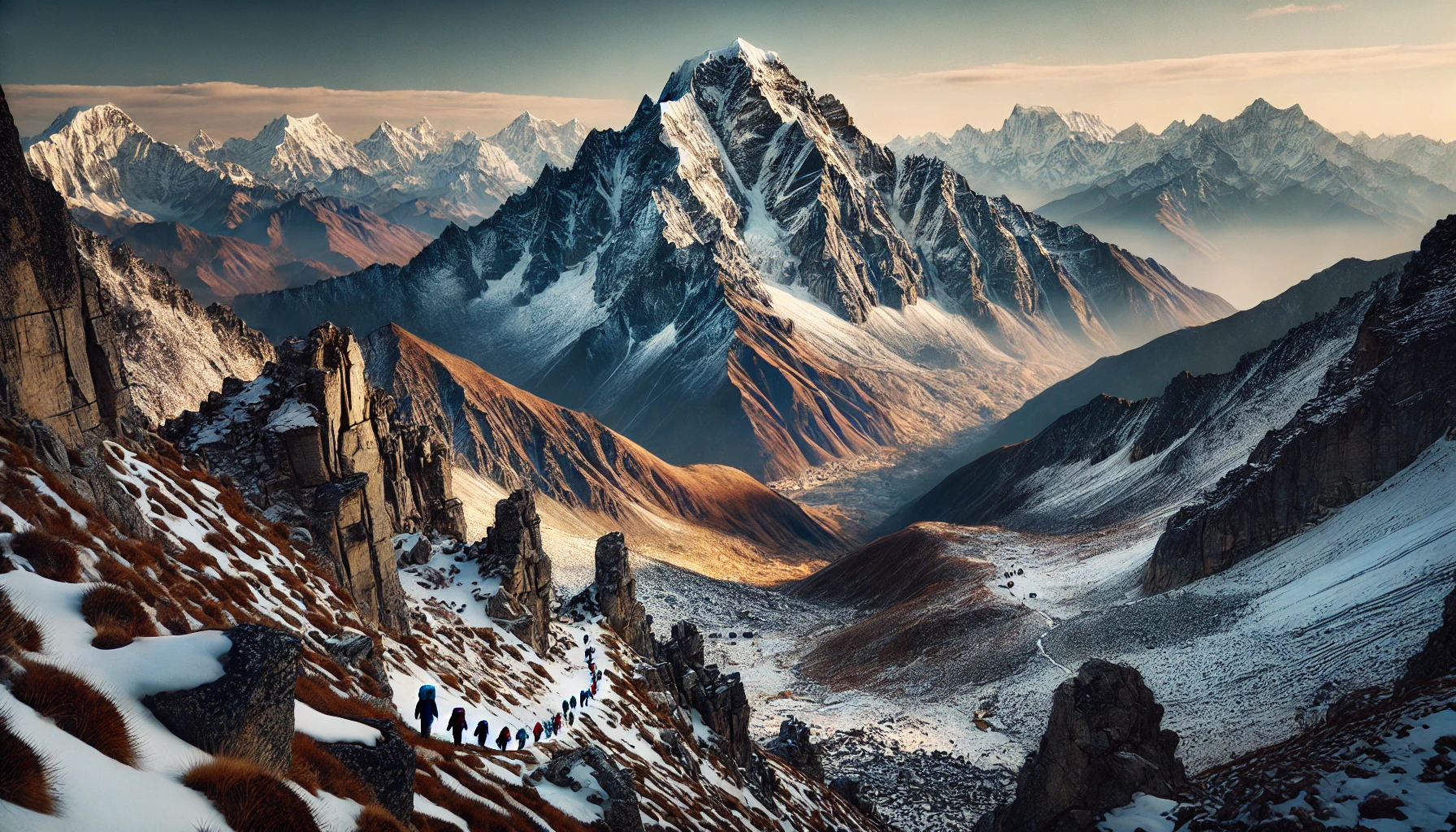
The view that awaits at the top of Yala Peak defies all imagination. Think glaciers gleaming under the sun and magnificent peaks like Shishapangma and Langtang Lirung piercing the sky. Far in the distance, rivers and streams sparkle, weaving through dense, velvety green forest. There’s a profound sense of stillness up there and the silence is broken only by the occasional call of a mountain bird or the crunch of ice under your crampons.
Coupled with the sense of accomplishment that will crash over you as you stand at the top of the mountain, there’s no doubt that the Yala Peak climbing adventure is one you’ll remember for a very long time.
Day 11-14: Descent and Return to Kathmandu
A common misconception among newbies is that the descent is the easy part of the trek. However, experienced mountaineers will tell you that the descent actually requires more skill and energy than the ascension. The sense of exhilaration that trekkers feel at the summit can also lure them into a false sense of safety.
During the Yala Peak climbing adventure, you must have a proper turnaround time to ensure your safe descent from the mountain.
Once you reach base camp again, rest for a while before trekking down from Kyanjin Gompa to the Langtang Valley.
You’ve now reached the end of your Yala Peak climbing 14 days itinerary.
If you booked a round-trip drive from Kathmandu through a private jeep, your vehicle will be waiting at Syabrubesi. Alternatively, you can always hop on a public bus and make the long albeit scenic journey back to the city.
What Makes Yala Peak Climbing Unique?
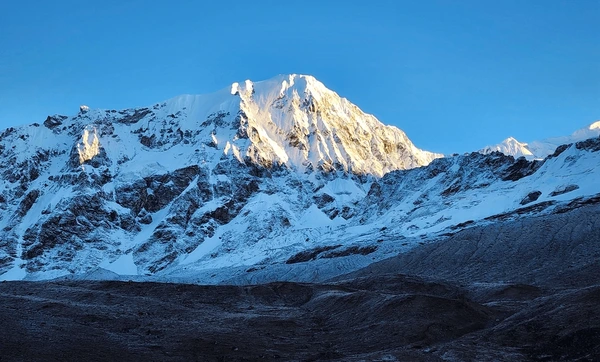
An Ideal Trekking Peak for Beginners and Experts
Awash with surreal sights, Yala Peak offers the perfect setting for climbers of various skill levels. While you do have to be physically fit to withstand the high altitude and challenging climb that awaits near the summit, a Yala Peak climbing expedition is definitely far easier than, say, Lobuche or Pisang Peak.
In fact, it’s recommended that beginners kick off their first high altitude climb with Yala Peak so they can have an idea of the challenges and conditions that await on more difficult trekking peaks.
The rewarding vistas that beckon from the summit of Yala only add to the thrill of the experience as a whole.
Stunning Views of the Langtang Himalayas
It’s not hard to feel like the world is unfurling at your feet as you stand at the summit of Yala Peak Langtang. Indeed, Yala Peak height stands at 18,000 feet tall, providing a bird’s eye view of the imposing Langtang Himalayas.
As you reach the summit, you are first greeted by a traditional prayer flagpole. The summit is surrounded by a stark, achingly beautiful landscape speckled with mountains for as far as the eyes can see.
More impressively are the unblemished views of nearby mountain ranges. To the right, Tserko Ri looms into view, easily distinguishable by its pyramid shape. A popular trekking destination in its own right, this mountain lies southwest of Langtang Lirung, another snow-capped Himalayan peak that’s perfectly visible from the Yala Peak summit.
Throughout this dazzling panorama, you are engulfed by Langtang’s natural beauty in its purest form. Waterways shimmer in the distance while thick forests blanket the mountain’s lower slopes. Surrounded by glaciers and an abundance of fauna and flora, the Yala Peak summit offers quite a humbling experience as you stand there marveling at that unique Nepalese wilderness.
Cost, Weather, and Best Time for Yala Peak Climbing
Yala Peak Cost Breakdown
Here’s what everyone wants to know: what’s the average Yala Peak cost?
Well, let’s start with the good news: a Yala Peak climbing expedition is significantly cheaper than climbing Everest. Food and accommodation in Langtang also tend to be more affordable than neighboring trekking destinations in India, Bhutan, and Tibet.
For starters, you’ll need to sign up for a climbing package at $350. Solo climbers will be requested to get a permit to get from Kyanjin to the summit. This should set you back around $100.
You’ll also need to get an entrance permit ($30/person) to access the Langtang National Park. As per recent regulations by the Trekking Agencies Association of Nepal, solo trekkers need to get a green TIMS card ($15) while group trekkers require blue cards ($8). These cards are not only mandatory, but they’re also issued to ensure your safety on the trekking routes.
If you want to hire a guide (and we strongly recommend that you do!), you should budget around $35 per day for regular areas or up to $45 for most remote routes. Porters usually charge up to $25 per day.
As we mentioned above, you can always rent camping equipment instead of lugging your own gear around.
Here’s an estimate for the cost of renting trekking gear in Nepal:
- Sleeping bags – Up to $3 per day
- Trekking boots – $3 to $4 per day
- Trekking stick – $0.5 to $2 per day
- Camping tent – $5 to $10 per day
We do need to highlight the importance of renting or buying high-quality equipment. The last thing you want is to be stranded in the wilderness during your Yala Peak climbing adventure because your gear malfunctioned, so be sure to prioritize quality over price.
As far as accommodation is concerned, rooms at the Lama Hotel usually cost around $5 per night, depending on the season. You’ll need to add an extra $2.50 for a hot gas shower and $6 for a traditional Nepalese dinner. Wi-Fi costs around $1 to $2 per day.
It’s also best to carry the local currency with you during your trekking expedition. While major cities like Chitwan, Pokhara, and Kathmandu accept foreign currency, this is not always the case in the countryside.
Ideal Weather for Yala Peak Climbing
Thanks to the favorable Yala Peak weather, trekking up the mountain is doable throughout the year.
For the best views though, you may wish to embark on your expedition in autumn (September to November) or spring (March to May). These months are known for stable weather, clear skies, plenty of sunshine, and excellent trekking conditions.
If you’re prone to altitude sickness or if you’ve never been exposed to high altitude before, we suggest planning your Yala Peak trek during the warmer months instead since the cold increases your cardiovascular function while making you prone to hypoxia.
Essential Gear and Preparations for Yala Peak Climbing
What You Need for Yala Peak Climbing
When planning your Yala Peak Climbing adventure, it’s important to ensure that you have all your gear ready. The climb to the summit may be short, but you will still be braving extreme weather conditions.
Unlike the trek from Kathmandu to Syabrubesi, the base camp route is devoid of guest houses or facilities. As such, it is crucial to be prepared for all eventualities.
To ensure a hassle-free experience, make sure you’re physically fit for the ascent. Stamina, leg strength, and cardio steadiness are essential for navigating the daunting Yala Peak height. It would also be beneficial to have some prior experience in similar environments to better understand the challenges ahead.
Although Yala Peak, Nepal, isn’t technical, it’s important to know how to use mountaineering tools like ice axes and crampons. If you’re a novice trekker, we highly recommend that you hire an experienced guide to ensure your safety on the slopes.
The Yala Peak climbing kit should include the following:
- Camping equipment
- First aid kit
- Wash kit
- Climbing slings (preferably 2 x 120cm)
- Walking axe
- Mountaineering harness
- Crampons
- Drinking bottles
- Spare batteries
- Head torch
- Walking poles
- Compression sack
- Sleeping bag suited to -10 C
- Hut shoes and trekking boots
- Grade B1 or B2 mountaineering boots
- Polaroid sunglasses
- Both thick and thin socks
- Base layers and trekking-friendly clothes
- Gaiters
- Waterproof jackets
- Large rucksack
- 30-liter day pack
- Thick gloves
- Balaclava and sun hat
- Toilet paper
- Lip balm
- Sunscreen (SPF 40 or higher)
- Water filters/tablets
- Protein/energy bars/jerky/dried food
You can rent equipment in Kathmandu or from your tour guide to travel light. These include mountaineering harnesses, sleeping bags, walking axes, crampons, and Karabiners.
Travel Insurance and Safety Tips
Travel insurance is the one thing you really don’t want to compromise on. Compared to other trekking routes, Yala Peak Langtang is quite safe – but one can never be too safe, especially when trekking in high altitude areas.
Not only will you have peace of mind, but travel insurance also covers the cost of emergency situations like helicopter evacuation. After all, altitude sickness can strike at any moment and proper insurance coverage will help you get the necessary medical attention as quickly as possible. More importantly, you won’t have to pay for any of it out of pocket.
Yala Peak and Its Connection to Langtang Trek
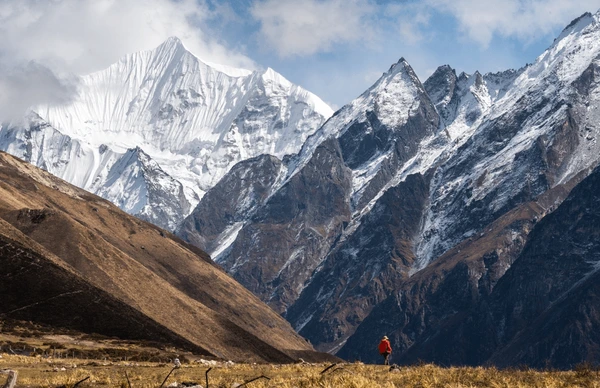
Yala Peak as a Key Part of the Langtang Trek
We’re sure by now you’ve realized that Yala Peak is one of the easier trekking peaks in Nepal.
Because of the gradual elevation and fairly straightforward trails, the Yala Peak climb often serves as an acclimatization phase for more experienced trekkers who want to explore more arduous trekking routes.
If you want to extend your adventure, you can also combine your Yala Peak Climbing expedition with the popular Langtang Trek which passes by spectacular landmarks like the holy Gosainkunda Lake. This combined trek is also ideal for adventurers who want to learn more about the local Tibetan culture since it crosses through historic settlements like Langtang Village.
Other Attractions Along the Yala Peak Trek
Okay, we’ve covered those glorious sights that surround Yala Peak, but did you know that the Langtang region offers so much more than crystalline glaciers and snowy peaks?
As you trudge through the alpine landscape, keep your eyes peeled for the elusive red pandas that inhabit Langtang National Park. These adorable creatures can be shy but if you’re quiet enough, you might just see a furry face peeking through a canopy of leaves.
But that’s not all: the Yala Peak climbing trek offers remarkable sights, including the stunning Dorje Lakpa, which dominates the Langtang skyline.
More importantly, the Langtang area is awash with the sort of experiences that will immerse you in the local culture and tradition. Along the way, you’ll have the opportunity to learn more about Nepalese customs, taste local dishes, and interact with the local Sherpa and Tamang communities.
Through this adventure, you’ll also learn more about the disastrous 2015 Langtang Valley earthquake and avalanche, which completely altered life in this tiny nook of Nepal.
FAQs About Yala Peak Climbing
- How Difficult Is Yala Peak Climbing?
Yala Peak climbing is not as difficult as other peaks in Langtang, mainly because it’s a gentle and non-technical ascent. It’s open to all levels of fitness.
- What Is the Cost of Climbing Yala Peak?
While the cost varies, you may wish to average around $25 to $40 per day.
- What Is the Best Time to Climb Yala Peak?
For the best trekking conditions, it’s recommended that you climb Yala Peak in spring or autumn.
· How to Prepare for Yala Peak Climbing?
Since the mountain is considerably high, it’s important to take it slow and acclimatize to the altitude as you gradually make your way up. Hydration is crucial to prevent altitude sickness.
Conclusion: Yala Peak Climbing – A Trekker’s Dream
Conquering Yala Peak Langtang isn’t merely about reaching the summit: it’s about a magical journey through one of Nepal’s most captivating areas. The blend of climbing and trekking routes allows explorers to experience both the cultural richness and the natural beauty that beckons deep in the Himalayas.
The journey tests your mental and physical strength, but standing atop Yala Peak with the vast wilderness before you feels like the adventure of a lifetime.