Introduction: Is Langtang Village Rebuilt?
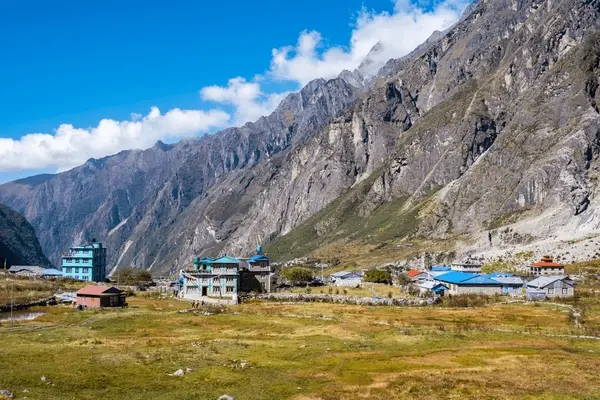
Tucked away in the majestic Himalaya, right on Nepal’s border with Tibet, Langtang Village tells a story of resilience in the face of impossible odds.
Established after the first human settlement immigrated from Tibet around 600 years ago, Langtang has since become synonymous with natural beauty and an abundance of glorious trekking opportunities.
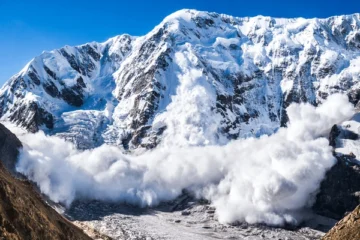
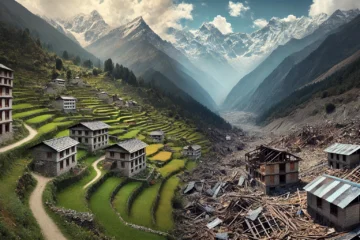
The 2015 earthquake in Nepal triggered a massive avalanche that claimed hundreds of lives while wiping off the village from the face of the valley. The aftermath of this catastrophic event left survivors grappling. Not only did they have to face the immense loss of their loved ones, but they now faced the task of rebuilding everything from the ground up.
If you’re asking yourself if the area ever recovered after such a catastrophic event, we have good news for you: not only is Langtang Village rebuilt but it’s better than ever.
Everything has been meticulously rebuilt, with more modern facilities and safer infrastructures to accommodate locals and tourists. Trekking opportunities abound, with routes traversing through cultural sites and stunning alpine meadows with unblemished views of the snow-capped mountains.
Whether you’re an experienced trekker or a complete novice, the now-restored Langtang Village provides something for just about everyone – so, let’s take a look at how the village transformed into such a thriving trekking hotspot after the disaster.
What Happened to Langtang Village During the Langtang 2015 Earthquake?
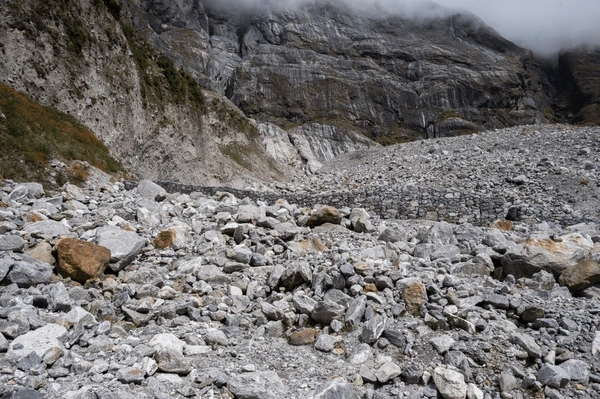
The Langtang 2015 earthquake brought unparalleled devastation to the village. In a mere matter of minutes, this picturesque nook of Nepal was transformed into a scene of utter devastation. The same place filled with music, songs, and dances from a festival held just the previous evening was now a scene of eerie desolation.
The Devastation of Langtang Village in 2015
The day started like every Saturday in Langtang Village. The locals were having a slow morning, no doubt tired from the elaborate Ghewa death rituals held until past midnight on the eve. Ghewa is one of the most important festivals in Nepalese culture, gathering the locals, inhabitants from nearby villages, and tourists.
Little did they know, this would be the last Ghewa in Langtang for a long time.
At precisely 11.56 a.m. the following morning, a 7.8 magnitude earthquake shook the whole country. It was so forceful that tremors were even felt in China and Bangladesh. There was devastation all across the country, especially in densely populated areas like Kathmandu. But what happened in the valley after the Langtang Nepal earthquake was in a different league.
The Langtang earthquake triggered a massive avalanche that sent 40 million tons of rock and ice tumbling right over the village, smothering every single structure. The impact was so forceful that every single tree in a nearby forest was flattered by sheer air pressure. Out of all the lovingly built homes mangled by the avalanche, only a single house survived.
Thick, glacial snow blanketed the ruins, coating what used to be the second and third floors in the houses. Langtang Valley was obliterated, completely smothered by the immense landslide that fell off the Langtang Lirung mountain. Giant boulders and a vast frozen lake soon followed, crashing on the village with staggering force.
After the Langtang Valley Avalanche, the surrounding trails and footpaths were wiped off, effectively cutting off the village from the rest of the world.
The scene of utter chaos and desolation was a far cry from what trekkers have come to expect from Langtang village now.
Impact on Locals and Tourists after the Langtang Earthquake 2015
Tourism wasn’t the main source of income in Langtang village before the earthquake. Most of the locals earned their living from agricultural production. Still, this scenic village drew plenty of trekkers who would stop by Langtang on their way to explore the nearby trails, creating additional income for the villagers.
These travelers would often spend a night or two in the village to learn more about the local culture and regain their strength before resuming their trekking adventure in the mountains. On the day of the earthquake, some tourists had already set out on their treks, accompanied by local guides.
The avalanche caused significant loss of life in the village. It is estimated that over 300 people died in Langtang village after the earthquake. Among the victims were 41 foreign trekkers and 27 local tourism staff guides. Numerous villagers and members of the local army also perished in the catastrophic event.
More harrowing is the fact that the estimated death count could actually be higher than the official statistics since several bodies were never recovered.
Is Langtang Village Rebuilt Today?
Here’s the question that most trekkers want to know: Is Langtang village rebuilt?
The short answer is yes. Not only is Langtang village rebuilt, but it’s now safer than ever.
Rebuilding Efforts: From Rubble to Recovery
The took a while for the rescuers to reach Langtang village after the earthquake. As such, the locals had to rally around, gathering supplies and helping the injured as best as they could.
Helicopters soon began flying in to evacuate the injured to nearby hospitals, and temporary shelters were set up, followed by recovery efforts.Gradually, as the enormity of the catastrophe started to sink in, the reconstruction of Langtang Village resumed.
This was no easy feat, considering that Langtang village after the earthquake was now a heap of snow-speckled rubble.
But the villagers plowed on through their heartbreak and post-traumatic stress. Everyone joined forces to restore their beloved Langtang from scratch. Various international and local organizations stepped up as well, including the Langtang Relief Fund.
In addition, the Himalayan Climate Initiative and Sunaulo Sansar provided the resources needed to rebuild the homes, tea houses, and other infrastructure. Many countries donated materials like sand, corrugated iron, steel, and cement to help with the rebuilding process in Langtang after the earthquake. The flow of donations also included clothing and food.
Lantang’s trekking trails had a soft opening in 2017. The routes were officially declared safe by foreign researchers in 2018.
What Langtang Village Looks Like Now
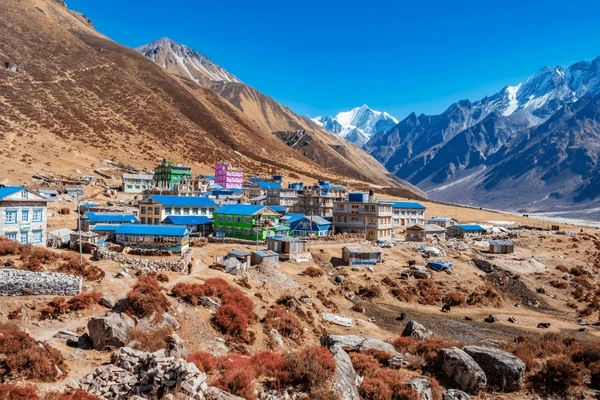
After such an impact, is Langtang Village rebuilt to its former glory? Yes, but it would take years of arduous work and heartbreak.
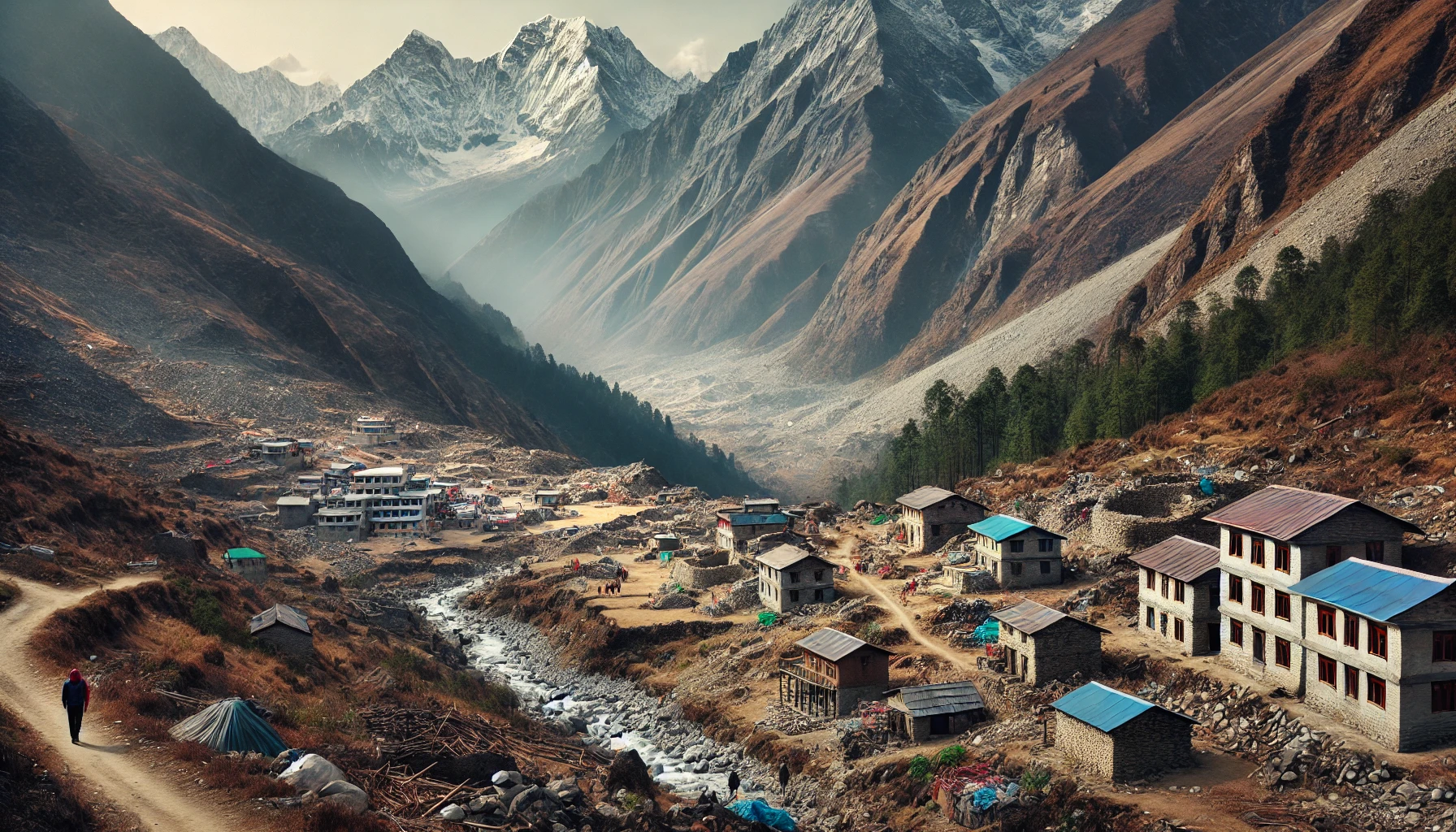
The recovery process was no doubt arduous. But Langtang Village, once buried under rock and snow, finally started to emerge again. Nowadays, the Langtang area is made up of a vibrant community consisting of local and international trekkers.
Langtang village after the earthquake now features new (and safer!) tea houses, with several more cropping up to accommodate the growing number of tourists visiting the region.
The new Langtang Village was set up a short distance from the original settlement away from the avalanche zone to enhance the residents’ safety in the future. Before the earthquake, buildings in Langtang were made up of unreinforced stone and wood gathered from the surrounding forests. On the flip side, the new buildings are made up of concrete and steel, with earthquake-proof features.
Tourists can enjoy more contemporary amenities, including indoor heating and private bathrooms in select hotels. Paid Wi-Fi is more readily available. Post-earthquake Langtang is also serviced by major network providers like Ncell and Nepal Telecom – although the connection can be somewhat choppy at times.
Is Langtang Village Rebuilt: Life in Langtang Village Post-Earthquake
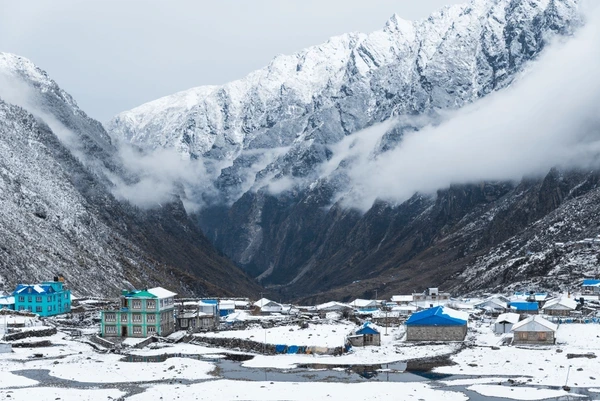
Langtang Village now is practically unrecognizable from the ruins that followed the disaster.
After years of collective mourning, the colorful celebrations and festivals have since resumed, bringing the entire community together. The Gompas of Kyanjin Gompa, once destroyed in the earthquake, have been carefully rebuilt and ceremonies once again chime in this ancient monastery.
How the Local People Are Rebuilding Their Lives
There’s no denying that the community’s resilient spirit shines through at every turn. Despite the trauma they’ve endured, the community came together with unwavering strength to restore their livelihoods.
This revival of the local tourism industry has been crucial for the economy in Langtang after the earthquake. Still, the residents pushed through, enhancing their services and building better infrastructure to cater to the flux of trekkers passing through. During peak season (March-May and September-November), hotels and tea houses are bustling with activity. In fact, it’s highly recommended to make your reservations in advance if visiting Langtang then.
Key Attractions and Treks in Langtang Now
It took two years for the trekking routes to reopen in Langtang after the earthquake. Nowadays, the trails draw visitors from all over the world – and for good reason. Awash with raw, rugged beauty, Langtang’s trekking routes offer the kind of otherworldly scenery that trekkers can only dream about.
Best of all, there are plenty of historical and cultural sites to be found along the way, one of them being the iconic Kyanjin Gompa. Located in the National Park, Kyanjin Gompa towers at an altitude of 3,870 meters above sea level.
While no one knows when it was built exactly, this ancient site is said to date all the way back to over 700 years ago. An important cultural and religious site, Kyanjin Gompa draws plenty of local pilgrims as well. This attraction lies on the Langtang Trek, one of the most famous routes in the area.
If you’re planning a multi-day trek across Langtang, rest assured that there are plenty of great places where you can rest and replenish before continuing your journey through the valley. New tea houses have sprung up after the disaster, offering contemporary facilities while still staying true to the charm of traditional Nepalese hospitality.
One such major stopping point is the Lama Hotel, which contrary to popular belief, is made up of more than one building. In fact, Lama Hotel is actually a small community consisting of different types of accommodation as well as tea houses serving various types of drinks and local dishes. This is one of the best places in Langtang to sample delicacies like the famous Kyanjin yak cheese, Butter Tea, and Sea Buckthorn juice.
There are no roads leading to Lama Hotel, so it’s only reachable on foot.
Langtang Valley Before and After the Earthquake
Picture a quaint village with colorful prayer flags, stone houses, and yaks grazing in the fields, all fringed by an awe-inspiring landscape of deep emerald forests and towering peaks. Locals would graciously welcome trekkers into their homes for some rest and a nourishing plate of Dal-Bhat before guiding them across the trails.
The valley was a vibrant hub of activity that seemed to blend seamlessly with the monasteries in the area. A serene sense of contentment lingered in the crisp, mountain air.
Life was good.
And then, on April 25, 2015, everything came crashing down.
Langtang Village Before and After the 2015 Earthquake
Langtang Village was the kind of place where life was simple, yet vibrant. The local people would rise early, take their animals out to graze, and begin their agricultural chores.
Agriculture was the main source of income, but tourists did contribute to the economy too. As such, more and more residents were turning to trekking to earn a living, guiding visitors through the many scenic routes woven across the valley.
Langtang Village before and after the earthquake couldn’t be more different.
In mere minutes, the earthquake completely altered life as the residents knew it. Trekking trails that had once been bustling with adventure and anticipation now lay silent, smothered under thick blankets of ice and stone.
The 2015 earthquake immediately halted the budding tourism industry. Instead, the village started rebuilding itself from scratch. Builders used earthquake-resistant materials to rebuild the destroyed infrastructure, ensuring everyone’s safety in the future.
Trekking in Langtang Valley Now
According to several trekkers who visited Langtang village before and after the earthquake, there’s a profound sense of reverence as one meanders through the landscape now. The way that Langtang managed to build itself back up in the face of such impossible odds never fails to strike a chord with visitors.
More importantly, the trails now feature extra protection with the addition of stone pathways and railings to ensure the trekker’s safety. In fact, routes like the popular Langtang Trek continue to draw trekkers from far and wide. Filled with cultural experiences and lush views alike, this moderately challenging route takes you through cross-suspension bridges, high-altitude pastures, and forests of bamboo and rhododendrons.
If trekking in January or February, you can also participate in the Langtang Trek festival which sees everyone come together with good food, traditional dances, and music.
Memorials and Reminders of the Earthquake
The physical and emotional toll on the survivors after the Langtang avalanche was immense. Everyone was grappling with the shocking loss of their loved ones, their homes, and the very heartbeat of their community.
In the aftermath of the Langtang Valley earthquake, the locals have found poignant ways to memorialize the lives lost, creating spaces that serve as both places of reflection and healing. Tourists visit the memorial not just to experience its serene and contemplative atmosphere but also to feel the emotional connection it offers.
The Mani Wall and Memorials in Langtang Village
By far the most noticeable memorial in the village is the memorial Mani Wall, a spiritual and cultural landmark that draws both tourists and locals alike.
Fringed by multi-colored prayer flags, the Mani Wall is made up of dry stones with Tibetan-Buddhist prayer slates. This memorial is particularly touching because it’s inscribed with the names of every person who perished in the 2015 disaster, including the 41 foreigners.
There’s also an engraving that reads: For the loved ones who lost their lives. Not a day passes when you are not loved and missed.
While the new Langtang Village lies around 100 meters from where the village used to lie, you can still visit the ruins today. On the site of the original settlement lies a flagpole with prayer flags fluttering in the wind, another stark memorial that hints at the village’s painful past.
Langtang Village Now: How the Community Continues to Heal
The past of Langtang Valley may be shrouded in tragedy, but its recovery is one of profound determination and resilience. The shared experience of loss ultimately culminated in stronger bonds and enhanced safety measures.
Ongoing projects by organizations like the Langtang Relief Fund have been set up to help the elderly while providing educational initiatives to the children. The Himalayan Climate Initiative has also been actively involved in rebuilding essential infrastructure to help boost tourism in the valley.
Langtang Valley Before and After: The Future of the Village
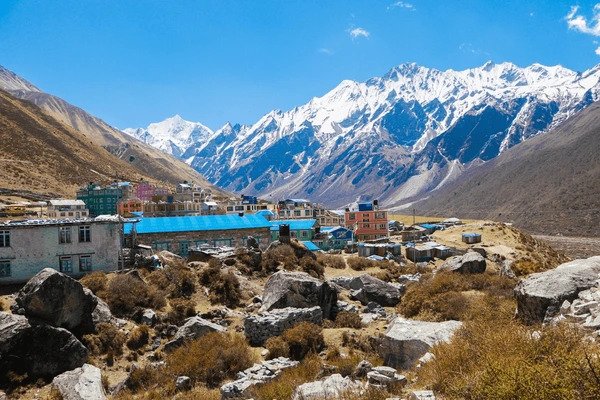
Is Langtang Village rebuilt?
We hope you’ve found the answer to this question by now. Looking ahead, Langtang Village is all set to reclaim its status as a premier trekking destination.
After all, the villagers’ unwavering strength and the outpouring of foreign and international aid are not just about restoring what was lost: rather, the focus is now on creating a safer and more sustainable community.
Future Plans for Tourism and Development
If you visit Langtang Valley, it won’t take you long to realize that the village is in the midst of a transformation to better accommodate the growing influx of trekkers.
Authorities are improving the trails, ensuring accessibility for various skill levels. Along with enhanced safety features, the trails now feature better signage, more rest stops, and other facilities. Dhunche and Syabrubesi, the major starting points of the Langtang Valley Trek, now offer medical assistance stations and can arrange helicopter evacuations if needed.
After the earthquake, WWF Nepal additionally set up the Langtang National Park and Buffer Zone project to help boost livelihood opportunities while conserving the area’s biodiversity.
Supporting Langtang Through Sustainable Tourism
Tourism has been a crucial part of Langtang’s recovery. Not only do trekkers bring economic benefits by returning to the area, but their presence can also bring emotional support to a community that has faced impossible odds.
Trekkers can help boost the economy by eating at the village’s tea houses, hiring local guides, and staying at locally owned lodges. This ensures that your spending directly benefits the community – all while learning more about an exceptional tale of strength and tenacity.
After all, the journey through the Langtang region is so much more than a trek through stunning landscapes: it’s also a pilgrimage through the village’s resilience and rebirth.
9. FAQs
Is Langtang Village Rebuilt and Safe for Visitors?
Yes. Local and international organizations have restored Langtang Village to its former glory, making it safer than before.
How Much of Langtang Has Recovered Since the 2015 Earthquake?
Now located away from the avalanche zone, Langtang has completely recovered in terms of infrastructure and material damage.
What Are the Main Trekking Routes in Langtang Today?
The Langtang Valley Trek, the Gosaikunda Trek, and the Tamang Heritage Trail are the main routes in the region.