Understanding the Altitudes of Langtang Trek
One of the most unforgettable Himalayan journeys, the Langtang circuit trek is the kind of adventure that offers a lifetime’s worth of incredible memories. Kicking off from the trekking village of Syabrubesi, this journey is filled with the kind of wonders that will no doubt leave you speechless.
When planning this expedition, the most important thing to consider is the Langtang trek elevation. Indeed, this trek is known for its varied altitude profile, with varying elevation points that eventually culminate in trekking heights of nearly 4,800 meters.
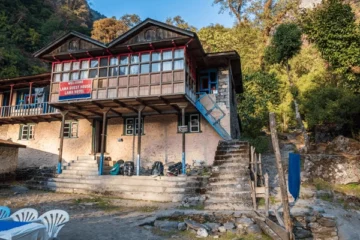
Before reaching the maximum Langtang Valley trek altitude of 4,800 meters though, you’ll experience a gradual progression through various altitudes and landscapes. After Syabrubesi, you’ll eventually ascend to the Lama Hotel at 2,470 meters, a great spot where you can rest and acclimatize to the Langtang trek altitude. The next major stop is Langtang Village at 3,430 meters before finally reaching Kyanjin Gompa at 3,860 meters and Kyanjin Ri at 4,800 meters.
Key Elevation Points on the Langtang Trek
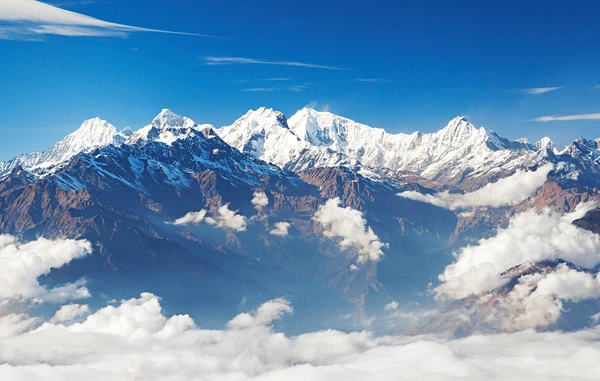
High Langtang base camp altitude: Rest Points at 3,430 Meters
After a long trek up those beautiful, winding paths, believe us when we say there’s nothing quite like finally stepping foot in Langtang district. Indeed, there’s something extraordinary about the village that most trekkers can’t quite put into words. Not only is it engraved in the country’s history, but this is the kind of place where time seemed to have stood still.
We suggest that you extend your rest stop over a couple of days to properly soak up the vibe and familiarize yourself with the routines of classic village life: you’ll see farmers tending to their yaks, people making handcrafted items, and tea house owners preparing breakfast for their lodgers.
During your stay in the village, you may also wish to chat with the inhabitants and learn more about the local history. Langtang Village – the original one at least – was completely destroyed by the disastrous earthquake that shook the country in 2015. While the earthquake was shocking enough, it triggered a massive avalanche of Langtnag that was so intense that all the trees in a nearby forest were completely flattened from sheer air pressure.
Tragically, the avalanche landed right on Langtang Village, completely obliterating the area. Out of all the houses, only one remained.
In spite of the Langtang base camp altitude, the buried roads, and the extent of the damage, the villagers managed to rebuild their village from scratch in a safer location just 100 meters from the ruins. To date, you can visit the ruins and learn about both the village’s harrowing past as well as the raw resilience of spirit displayed by the inhabitants.
Best of all, the village makes for an excellent jumping point to Langtang National Park, an immense protected area known for its diverse fauna and flora.
Langtang Base Camp Altitude: Kyanjin Gompa
Of course, it wouldn’t quite be a trip in the Langtang district without heading to Kyanjin Gompa and Kyanjin Ri, two cultural landmarks known for their scenic highlights. When considering the Langtang trek elevation, it’s also important to consider Kyanjin Gompa. The Langtang trek height for Kyanjin Ri (also considered to be the trek’s summit) is at 3,860 meters.
When you finally reach the monastery after the hike, take a moment to admire the gorgeous architecture with the wood and stone façade. Inside, you’ll find clay statues and images of the Buddha. Depending on when you’re visiting, you might even spot some lit incense and lamps filled with ghee – the traditional offerings left by the pilgrims.
Kyanjin Gompa is one of the most iconic trekking destinations in the Langtang region – and for good reason! After all, it’s a cultural, spiritual, and scenic highlight all rolled up in one. You do need to properly acclimatize before reaching this place though since it’s at the highest peak in the region. This village actually stands higher than Langtang Village and while it’s an arduous hike (owing to the elevation and thin air), it’s definitely worth the effort.
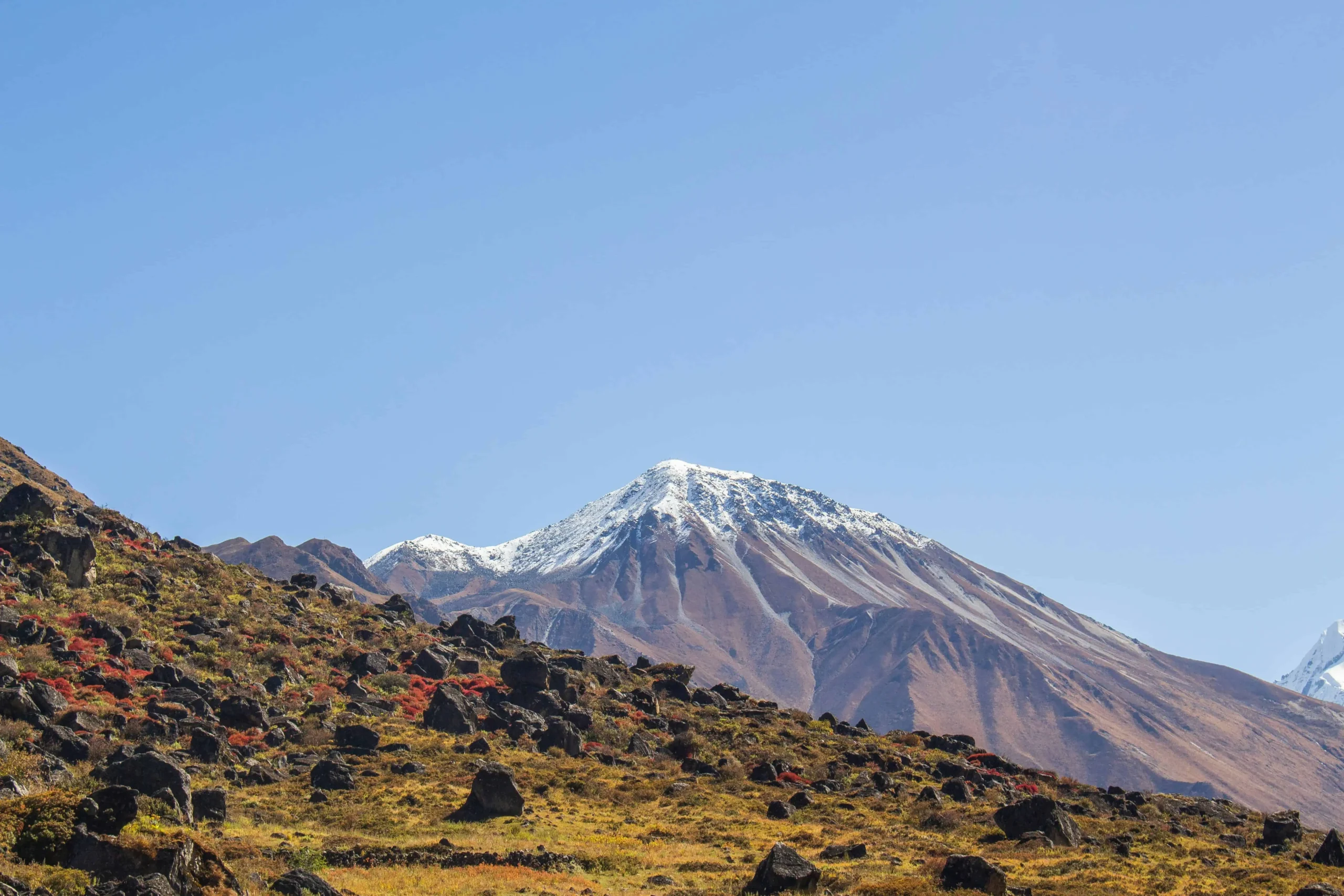
From Kyanjin Gompa, we suggest that you take a side hike to Kyanjin Ri, an area known for its magnificent 360-degree views of those snow capped mountains. Now, we do need to give you a heads-up: the trek to the summit is no doubt arduous – again, due to the thinning air – but it’s definitely one of the most rewarding treks you’ll take in the Langtang region.
The journey from Kyanjin Gompa to Lama Hotel takes around 9 miles. Before you head back to Lama Hotel though, we suggest that you spend the day at Kyanjin Gompa to properly take everything in.
High Altitude Langtang Village: Navigating the Langtang Height
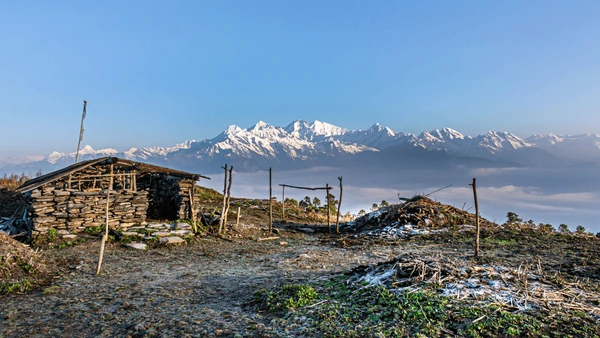
Altitude Sickness: Signs, Prevention, and Acclimatization Tips
To begin with, it’s really important to familiarize yourself with the symptoms of altitude sickness when navigating the Langtang height. Also known as AMS (Acute Mountain Sickness), this condition is caused when your body isn’t able to adapt to the thin air that’s found at elevated altitudes. The Langtang trek Nepal Langtang base camp altitude has quite a significant elevation that takes you from around 1,400 meters in Syabrubesi to nearly 4,800 meters in Kyanjin Ri (the highest point), so you’ll be gaining a lot of terrain during your trip.
In fact, knowing the signs and adopting certain preventive techniques can really mean the difference between life and death up there at that impressive Langtang height.
Symptoms may start to appear as soon as you cross the 2,000-meter threshold, so be mindful of that as well. Some of the most common symptoms of altitude sickness include:
Disturbed sleep: You may find it harder to stay or fall asleep. In some cases, sleep disturbances are accompanied by heart palpitations.
Shortness of breath: You may find yourself struggling to breathe properly or breathing heavily even when you’re at rest.
Weakness: This may be accompanied by excessive fatigue as well.
Lightheadedness: You may start to feel like it’s harder to maintain your footing or maintain your balance.
Nausea: Some trekkers also experience persistent nausea and weakness.
We suggest that you seek help as soon as those symptoms manifest because altitude sickness can sometimes lead to conditions like HACE (High Altitude Cerebral Edema) or HAPE (High Altitude Pulmonary Edema). Both conditions can be fatal. To prevent altitude-related HACE or HAPE, we suggest that you drink plenty of water and adopt hydration strategies by carrying some powdered electrolytes with you. Bear in mind that up there on the slopes, you’ll need
Langtang Trek Difficulty: How the Altitude Affects Your Journey
We’re sure by now you understand that the Langtang trek elevation has a direct and significant impact on your Langtnag trek’s difficulty level. Indeed, the Langtang trek height can trigger some unpredictable issues like altitude sickness.
In addition to keeping hydrated, one of the most important things you can do to combat altitude sickness is to trek at a slow and steady pace. As tempting as it is to rush to the top, not giving your body enough time to adjust will ultimately put you at direct risk of altitude sickness. Contrary to popular belief, simply popping altitude sickness pills and taking a couple of rest stops isn’t enough. Because of the Langtang trek elevation, it’s extremely important to trek at a pace that will help you adjust to the thinning air.
Now, trekking across the Langtang region isn’t necessarily as demanding as planning a trek to Everest Base Camp, but that doesn’t mean you shouldn’t prepare for it. Because the Langtang trek doesn’t require a lot of technical knowledge, some newbie trekkers tend to take the adventure too lightly. However, this definitely isn’t the kind of adventure you can throw yourself in willy-nilly without any kind of trek preparation. After all, let’s not forget that the Langtang trek altitude does rise pretty sharply.
We suggest that you start working on your endurance levels several months before your trip. You can improve your physical fitness by planning some easy treks or treadmill workouts and gradually increasing the intensity.
Langtang Trek Elevation: Scenic Highlights at High Altitudes
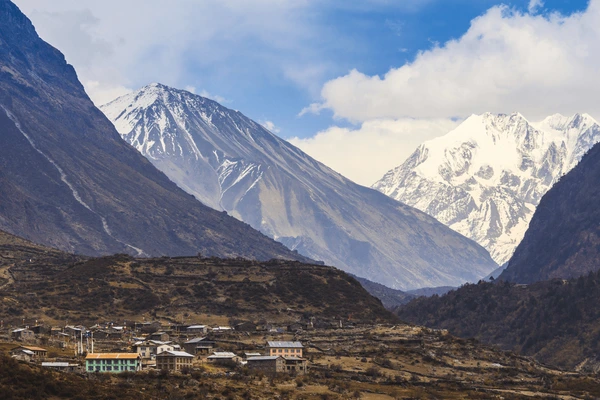
Views of Langtang Lirung and Ganesh Himal
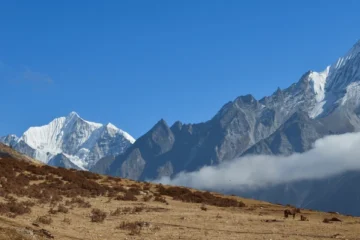
One of the most awe-inspiring sights that greets you on the Langtang trail is the incredible views of Langtang Lirung. Standing at nearly 7,300 meters, Langtang Lirung is renowned for being the tallest peak in the majestic Langtang range.
Not only does Langtang Lirung rise sharply over the mountain landscape, but it’s quite a sight to behold, with its dramatic slopes and rugged ridges. As such, it should come as no surprise that the mountain is one of the most photographed peaks in the Langtang region.
This peak is especially famed for its glacier (the Langtang Glacier) which interconnects with the river that snakes through the Langtang area. The river actually sustains plenty of human and animal lives in the region.
For the best panoramic views of Langtang Lirung, we suggest that you head over to Kyanjin Gompa and Kyanjin Ri where the Langtang trek elevation culminates. From there, you’ll be able to admire the mountain in all her unvarnished beauty. Because it can be dangerous to hike up there after sunset, you may wish to hike to Kyanjin Ri a bit before sunset so you can watch the sun rise spectacularly over the Himalayas.
While Langtang Lirung dominates the landscape because of the Langtang trek elevation, be sure to keep your eyes peeled for the uniquely shaped Ganesh Himal as well. You’ll quickly notice Ganesh Himal from among the mountain landscapes because of its unique elephant-like shape. It was actually named after the Hindu deity Ganesh who has an elephant head.
Langtang Trek Elevation: Visiting the Kyanjin Gompa Cheese Factory
We mentioned the Kyanjin Gompa monastery earlier, but did you know that the village is also home to a historic cheese factory? Indeed, when considering the Langtang trek elevation, you may wish to consider whether you want to spend the whole day at Kyanjin Gompa.
If you’re not displaying any symptoms of altitude sickness and if you’ve got the time to spare, we totally recommend that you spend some time moseying around the cheese factory. Not only is this one of the most enriching cultural activities in the surroundings, but this destination will no doubt also enhance your trekking experiences.
One of the best things about visiting Kyanjin Gompa is that you’ll get to see everything involved in the local production of yak cheese – from milking the yaks to actually processing the milk into cheese.
Most factory tours also include a visit to the cellar where the cheeses are stored. Best of all, you’ll also enjoy a tasting session of that iconic Nepalese yak cheese.
Preparing for Langtang Trek Elevation: Altitude and Logistics
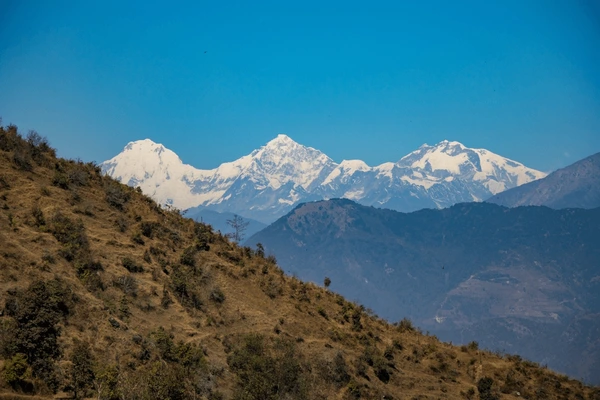
Acclimatization Strategies and Fitness Tips for High-Altitude Trekking
We can’t emphasize enough the importance of acclimatization when planning for the Langtang trek elevation. After all, this is the kind of thing that can easily make or break your trip.
The higher up you trek, the harder your body has to work to adapt to the new altitudes. As such, you will need to compensate in terms of hydration, so do remember to drink plenty of water to ensure that your health condition remains optimal.
As part of your physical preparation, it’s also important to make some practice treks and build up your endurance before hitting those trails. Other important safety tips are to trek at a slow but gradual pace and to fit in a couple of rest days. These are crucial to your well-being since rest days will help your muscles recover while adjusting to the higher elevation at the same time.
Langtang from Kathmandu: Route Details and Trekking Logistics
Here’s what all newbie trekkers want to know: how far is Langtang from Kathmandu? Nepal’s sprawling capital city actually lies around 62.5 kilometers from Langtang. The trek starts at Syabrubesi, a vibrant trekking village that’s been dubbed the ‘Getaway to Langtang.’
Getting from Kathmandu to Langtang is an adventure in its own right since the trip involves a 7-to-9-hour journey through some of the most scenic spots in Nepal. If you’re traveling by the local bus, you may wish to set aside around 8 hours to complete the journey. This is because there are quite a few stops along the way to pick up or drop off passengers.
The bus can be something of a bumpy ride. It also tends to be noisy and crowded, but it can also be a fun experience with local music blasting loudly through the speakers. There are a few rest stops along the way so you can use the restroom or stock up on snacks and drinks.
Now, if you don’t want to use public transportation or want to cut back on the travel time, you can always rent a private jeep that will take you there in 6 to 7 hours. While undoubtedly more comfortable, private jeeps can be quite expensive. Alternatively, you can slash back on the costs by opting for a shared private jeep instead of an exclusive one.
Also Read: How to get to Langtang from Kathmandu?
Conclusion: Why Langtang Trek Altitude Matters
There you have it – everything you need to know about the Langtang trek elevation!
This is no doubt an exhilarating journey punctuated by breathtaking experiences and the kind of adventure highlights that will leave you speechless. With varied trekking heights, the Langtang Valley trek altitude certainly contributes to the awe-inspiring sights that beckon in just about every corner.
While this adds to the experience, we recommend that you do not take the Langtang trek altitude lightly. Those amazing heights come with great responsibility since you need to ensure that the altitude doesn’t impact your health. By following the tips we provided, you’ll definitely reduce your risks of altitude sickness, ensuring a safe and enjoyable time on those iconic trails!
Recommended Read: Weather in Langtang
FAQ Section: Common Questions About Langtang Trek Elevation
While Langtang doesn’t have an official base camp as such, the area around Kyanjin Gompa and Kyanjin Ri are often referred to as the unofficial base camp since they represent key milestones on the trek. Towering over the landscape at nearly 4,800 meters, Kyanjin Ri stands as one of the tallest trek summits in the region.
The Langtang Valley trek duration usually lasts around seven to ten days, depending on your pace and general fitness level. Bear in mind that the duration also depends on the Langtang trek elevation since you will need to make some acclimatization stops.
When route planning for your expedition, be sure to factor in trekking distances as well as rest days at stops like Lama Hotel and Kyanjin Gompa.
Here’s the good news: the Langtang Valley trek altitude is easily among the most beginner-friendly treks you’ll take in the country. It has moderate trekking difficulty and doesn’t require any technical knowledge.
Owing to the Langtang trek elevation though, we do recommend that you sign up for guided tours if this is your first time exploring the area. Alternatively, you can also hire a trekking guide to help you face the Langtang trek altitude.