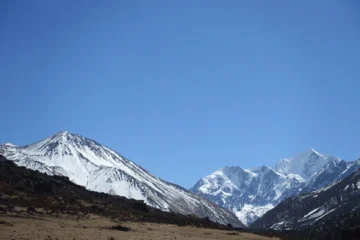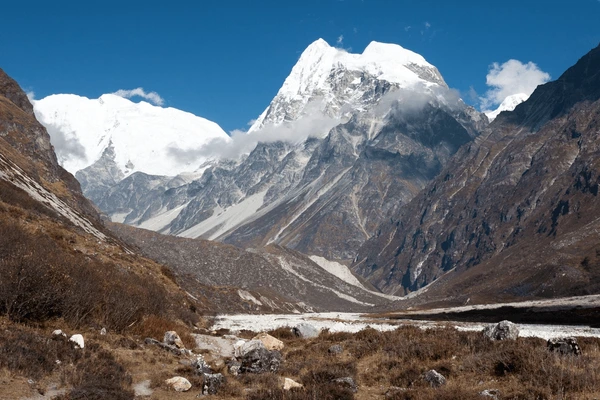
Brimming with cultural richness, the Langtang district is easily one of the most breathtaking places in Nepal. With amazing mountain landscapes and an abundance of trekking routes, this remote district can best be described as an adventurer’s dream come true.
Best of all, it offers plenty (and we do mean, plenty) of opportunities to properly immerse yourself in the local culture. More than a mere trekking hotspot, Langtang comes with everything you need for an enriching cultural experience. Owing to its high elevation, you’ll also enjoy glorious views of the Rasuwa district of Nepal.
Best of all, this district is home to the Langtang National Park, a truly spectacular area that just so happens to be the very first conservation park in Nepal. Let’s take a look at everything there is to know about Langtang!
Where is Langtang? A District Overview
Langtang Lies in Which District Location?
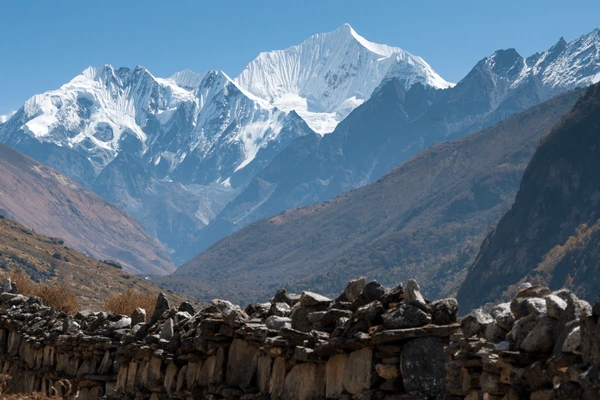
Bordering the Tibetan Plateau, the lush Langtang region is tucked away in the remote district of Rasuwa Nepal, just north of the Kathmandu Valley. If you’re a fan of the great outdoors, you will be glad to learn that this area is especially known for its awe-inspiring natural sights, complete with a diverse landscape and a variety of flora and fauna.
Best of all, the district is brimming with rich cultural heritage, making it the ideal destination for travelers who would like to learn more about Nepalese traditions and customs. The district is home to the Tamang people as well as smaller tribes and communities like the Hyolmo people.
Langtang National Park District: Nepal’s First Himalayan Conservation Area
It would be impossible to talk about the Langtang district without mentioning Langtang National Park. After all, this is the most recognizable protected area in the region.
The Langtang region district may be brimming with wildlife, but the national park totally takes the cake as far as diversity is concerned. Indeed, the park houses over 250 species of birds, perfect for bird watching.
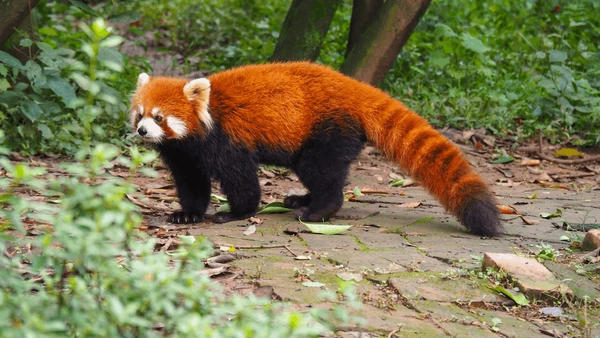
Also located in the Rasuwa district, the conservation park offers plenty in terms of eco-tourism. We suggest that you take an early morning hike through the park to try to spot rare fauna and flora like the red panda which is easily recognizable by its thick tail and rust-colored fur. On a lucky day, you may even spot the elusive snow leopard, Himalayan black bear, Himalayan tahr, and musk deer.
Top Attractions in Langtang District
Kyanjin Gompa and Langtang Lirung
By far the most popular attraction in the Langtang district is Kyanjin Gompa, a historic cultural site and Buddhist monastery that dates to over 600 years ago. As one of the most important spiritual sites in the Langtang district, the monastery draws pilgrims from all over Nepal.
Not only is it awash with history and cultural heritage, but it’s also a great place to soak up unblemished views of the surrounding mountain peaks, including the majestic Langtang Lirung which towers over the landscape at 7,234 meters.
Upon arriving at the monastery, you’ll probably hear the monks chanting. This, coupled with the scent of burning juniper incense and prayer flags fluttering gently in the wind creates quite a mystical atmosphere that’s bound to captivate anyone interested in the local culture.
While you’re there, we suggest that you also take a moment to tour the famous Kyanjin Gompa Cheese Factory which processes yak cheese into cheese.
Tsergo Ri and Langtang Glacier
If you’re of moderate fitness level, you can always hike over to Tsergo Ri, one of the most scenic high altitude hikes in the region. From there, you’ll be treated to striking vistas of the panoramic landscapes, including Langtang glacier. Indeed, Tsergo Ri is known for being one of the best spots in the Langtang district for spotting the Langtang Glacier which is quite a sight to behold as it stands as an imposing structure glistening under the alpine sun.
Gosaikunda Lake: A Sacred Alpine Lake
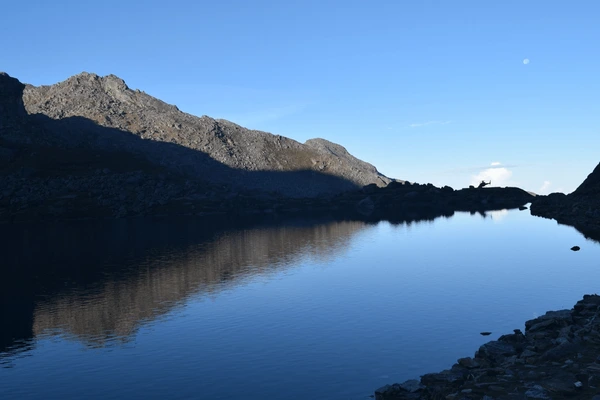
Another amazing trekking destination in the Langtang district is no doubt Gosaikunda Lake, a sacred lake that’s also an important pilgrimage site.
If you’d like to visit this scenic site of spiritual significance, we recommend that you take a Langtang Gosaikunda Trek to properly explore the wondrous surroundings. If you visit in August (during the full moon), you may even attend the annual Langtang Gosaikunda Lake Ceremony which draws Hindu and Buddhist pilgrims as well as Shamans from all over Nepal. According to Nepalese beliefs, the deity Shiva dwells at this lake, making Gosaikunda one of the most sacred and revered sites in the Langtang district.
What makes Lake Gosaikunda even more special though are the spectacular 360-degree views of those gorgeous Himalayan peaks. Plenty of traditional Sherpa and Tamang villages surround the lake so you can always mosey about, interact with the locals, and experience that distinctive Nepalese warmth for yourself.
Trekking Routes in Langtang District
Langtang Valley Trek: Exploring the Scenic Valley
Of course, it wouldn’t quite be a visit to the Langtang district without exploring the (many) picturesque routes in the region. We’re sure we don’t have to tell you that one of the most famous trekking routes is the Langtang Valley trek, peppered with views of the mountain landscapes and proximity to the Trishuli River.
Speaking of rivers, this trek takes you close to the Trishuli River, another important spiritual and cultural landmark in Nepal. This river is also important to the local community since it sustains the farmers’ and fishermen’s livelihoods.
In addition to river views, this scenic trek offers a first-row seat to high mountain landscapes like both Kyanjin Ri and Tserko Ri. While trekking through the Langtang Valley, we suggest that you look out for Ghodetabela, an area of the route where you can enjoy those alpine views up close. This is also a great region for spotting rare wildlife.
One of the (many) highlights of the trek is Langtang Village. Deeply rooted in the local history, this small, nondescript village soared in popularity back in 2015 when it was completely eradicated after the devastating earthquake that sent shockwaves all across the country. While the village was entirely obliterated by the earthquake and subsequent avalanche, it rebuilt itself with both local and international help. Nowadays, Langtang Village is known for being a symbol of unflinching hope and resilience.
Langtang Circuit Trek: A Complete Mountain Adventure
Now if you have a bit more time and stamina, we recommend that you sign up for the full experience: the Langtang Circuit Trek.
This not only takes you through most of the highlights in the Langtang Valley, but it also ensures that you’ll enjoy an experience that’s truly immersive. Not only does this circuit trek take you through the hidden corners of the Langtang district, but it’s also a full-circle experience that covers the most beautiful trekking routes in the area.
Mention the Langtang Circuit Trek, which provides a full-circle experience through high mountain ranges, forests, and traditional villages. If you’re looking to experience an authentic village exploration, this definitely is the ideal trekking loop since it’ll expose you to the lifestyle and culture of Indigenous communities.
During the trek, you’ll explore not just Langtang Village and Kyanjin Gompa, but you’ll also venture into the trail, with stops at Tserko Ri, Thulo Syabru, and of course, the famous Lama Hotel. The route also often traverses Sing Gompa, Gosainkunda as well as lesser-known spots like Kutumsang, Chisapani, and Sundarijal.
Wildlife and Nature in Langtang National Park District
Rare Animals: Snow Leopards and Red Pandas
As we mentioned above, the Langtang district is awash with some of the rarest species in the world. If you’re lucky, you might just get more than your fair share of wildlife encounters during the Langtang trek Nepal – and that’s regardless of the route that you decide to take!
Among the rare animals, you might spot the famous (yet endangered) Red Panda. Native to southwest China and the eastern Himalayas, this small mammal offers quite an adorable sight with its white muzzle, white ears, and rust-colored fur. Given the fact that it’s endangered, numerous conservation programs have been set up across Nepal. One such project is in the Langtang National Park, so remember to keep your eyes peeled for them.
Because they are nocturnal creatures, your best bet would be to venture into the park early in the morning or later in the afternoon. We wouldn’t recommend that you hike through Langtang National Park after dark though because it’s also home to other predators – albeit endangered species – like the snow leopard.
Flora and Fauna of Langtang National Park
In addition to preserving the local wildlife, Langtang National Park also has plenty in terms of rare plants.
By far the most famous flora in the Langtang district is the Rhododendron forest ecosystem. If you visit in the spring (March to mid-May), you’ll even see the different species of Rhododendron trees in full bloom, blanketing the forests in vivid hues of red and pink.
Keep your eyes peeled for the biodiversity of orchids. And if you’re wondering what’s so special about these orchids, it’s that the Langtang district is home to some of the rarest orchid species in the world. You’ll also see plenty of Himalayan fir trees, Juniper, and the Himalayan Blue Poppy.
If you enjoy bird watching, you will find the park fascinating. It serves as a sanctuary for rare birds like the Fulvous Whistling-Duck, the Tibetan Partridge, and the Koklass Pheasant.
Practical Tips for Exploring Langtang District
Ideal Time to Visit Langtang: Weather and Trekking Season
Here’s the thing about visiting Langtang: it’s gorgeous all year long, but the trekking conditions aren’t always ideal. This is because the Langtang Nepal weather can be pretty capricious, especially in the off-trekking season.
If you’d like to enjoy the best seasonal weather, we suggest that you take a moment to properly work on your travel planning prior to your trip instead of just heading there willy-nilly.
By far the most popular time to explore Langtang is during springtime (March to May). Not only are the temperatures pleasant with clear skies for the best views, but the rare rainy days ensure that the trails don’t get slippery. Springtime often crowds the routes. This happens because the trekking conditions are nearly perfect during this season.
To avoid the crowd, you may wish to plan your trek in autumn (September to November). While the trails still attract heaps of people in the fall, it’s a tad less than in springtime.
Accommodation Options: Lama Hotel and Tea Houses
As we mentioned previously, it wouldn’t quite be a trip across the Langtang district without stopping by the Lama Hotel. Here’s something you may wish to know if you’ve never been to Langtang before: contrary to popular belief, Lama Hotel isn’t one single establishment as such. In fact, the community consists of different tea houses, rest stops, and cafes. It also includes other options for trek lodging.
Despite its popularity, Lama Hotel still offers affordable accommodation in one of the most amazing places in Nepal.
Travel Routes from Kathmandu to Langtang District
As you embark on your trip to the Langtang District, it won’t take you long to notice that the journey from Kathmandu Valley is an adventure in its own right! The answer to how far is Langtang from Kathmandu lies here.
To begin with, catch a public bus or rent a private jeep. Head to Syabrubesi, a quaint village often called the gateway to Langtang.The road journey is quite long (think 6-8 hours) and the road isn’t in the best condition, but believe us when we say that the views more than make up for it!
Here are some transportation tips to make the journey a bit more comfortable:
Rent a private vehicle if possible. While it’s more expensive, a private jeep will help you reduce travel time since the bus makes regular stops to pick up people.
Don’t hesitate to get out and stretch your legs every few hours, even if you don’t feel the need to.
If traveling by public transportation, pack a pair of noise-canceling headphones since the journey can be quite loud.
Bring some travel sickness medication with you, regardless of whether you’ll be traveling by jeep or bus since it’s quite a bumpy ride.
Set off as early as possible in the morning to reach Syabrubesi before dark.
Conclusion: Discover the Hidden Gem of Langtang District
Langtang lies in which district? Well, we sure hope we’ve been able to answer this question!
As you can see, the Langtang region district is the kind of trekking paradise that never fails to impress! You will encounter diverse wildlife and jaw-dropping sights on this adventure. This destination also offers the perfect opportunity to explore spiritual sites like Gosaikunda Lake and Kyanjin Gompa.
Plan your trek in the right season, and you will create a lifetime’s worth of memories to cherish.
Want to read about condition of Langtang village before and after the earthquake.
FAQ Section: Common Questions About Langtang District
Langtang Himal Lies in Which District of Nepal?
Both Langtang Himal and the Langtang district lie in Rasuwa Nepal. This district, with a population of 43,000, offers postcard-worthy sights.
What Are the Most Scenic Attractions in Langtang District?
The district’s wondrous sights are bound to win over even the most hardened travelers. Some of the trekking highlights include cultural sites like Kyanjin Gompa and Gosaikunda Lake. Of course, we can’t forget about incredible peaks like Tsergo Ri.
How Do I Get to Langtang District from Kathmandu?
It can take you between 6-8 hours to get from Kathmandu Valley to Syabrubesi, the getaway to Langtang. So, when mapping out your travel route and journey planning, be sure to consider the fact that it’ll take you a whole day to get there. The local bus or private jeeps are the most popular transportation options to get there.